
Understanding Building Control for Conservatories: What You Need to Know
Introduction to Building Control for Conservatories
Building a conservatory can be an exciting home improvement project, offering extra space and a closer connection to the outdoors. However, understanding the building control requirements is crucial to ensure your project is compliant with local regulations. This guide will provide you with essential information about building control for conservatories.
What is Building Control?
Building control involves regulations that ensure buildings are safe, energy-efficient, and accessible. These regulations apply to new constructions, extensions, and significant alterations. For conservatories, building control ensures that the structure meets safety standards and integrates well with the existing property.
Do All Conservatories Need Building Control Approval?
Many conservatories are exempt from building control approval if they meet specific criteria. These typically include:
- The conservatory is at ground level.
- It covers no more than 30 square metres.
- There is a door or window separating the conservatory from the main house.
If your conservatory exceeds these criteria, you may need to seek approval to ensure compliance.
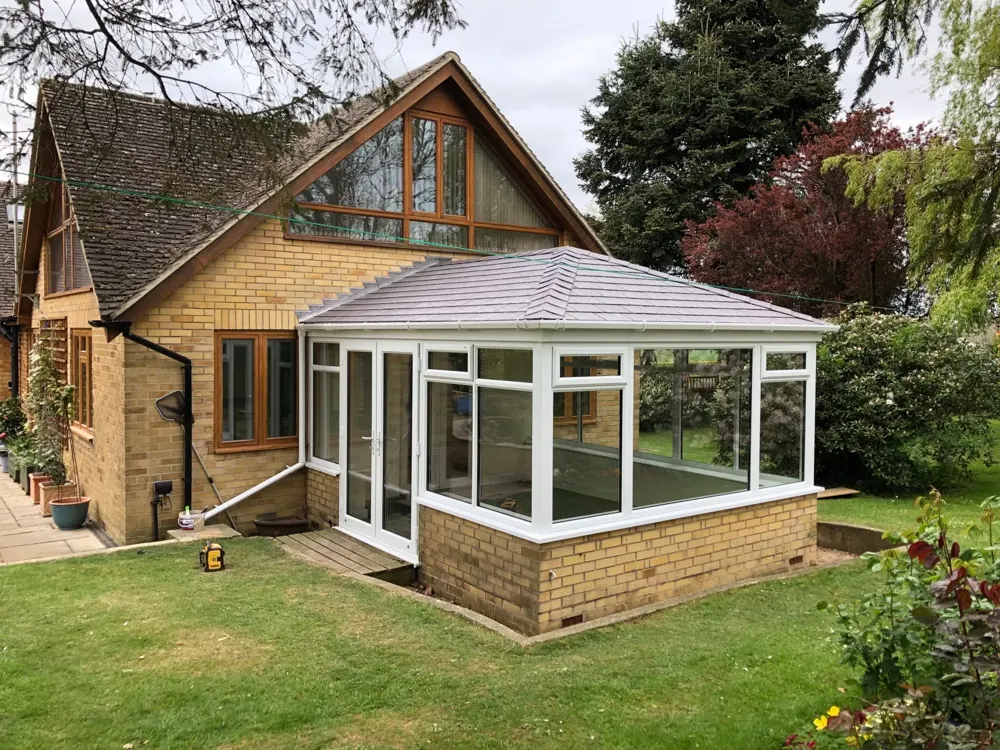
Replacing a glass or polycarbonate roof with a solid tiled roof is different: it normally needs building control approval. Nu-Look can arrange this for you, including the completion sign-off, and handle the paperwork so you don't have to.
Key Regulations and Compliance
When building a conservatory, it's important to consider key regulations. These include structural integrity, fire safety, and energy efficiency. For instance, the foundation and structural support must be adequate to prevent issues like subsidence or collapse.
Energy Efficiency Requirements
Modern building regulations also emphasise energy efficiency. Conservatories should be designed to minimise heat loss. This could involve using double-glazed windows and proper insulation. Such measures help the conservatory comply with regulations.
Working with Professionals
Hiring a professional builder or architect who understands building control can simplify the process. They can guide you through planning, design, and construction, ensuring every aspect meets regulatory standards. This can save time and prevent costly mistakes.
Documentation and Approval Process
If your project requires building control approval, you'll need to submit detailed plans and specifications. These documents demonstrate how the conservatory will comply with regulations. Once submitted, a building control officer may inspect the site to ensure compliance during construction.
Conclusion
Understanding building control for conservatories is essential for a successful project. By ensuring compliance with regulations, you can create a safe and efficient space that enhances your home. Whether you're planning a small extension or a larger structure, being informed and prepared will make the process smoother and more rewarding.